Wildstar: Elevate Your Design with Modern Handwritten Elegance
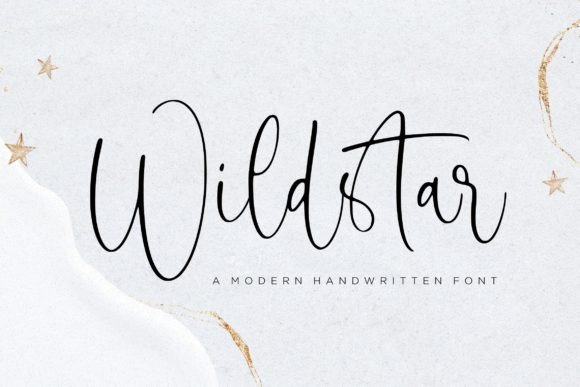
In a digital landscape saturated with sleek, geometric sans-serifs, there's a powerful counter-trend emerging: the authentic, human touch. Wildstar, a modern handwritten font, answers this call by offering designers a tool that injects immediate personality, warmth, and sophistication into any project. It’s more than just letterforms; it’s a visual voice that speaks of craftsmanship and intention, ideal for creating that coveted luxurious handwritten aesthetic.
Understanding the Role of Handwritten Typography
Typography is a cornerstone of graphic design and visual communication. While clean fonts excel in clarity and hierarchy, a well-crafted handwritten typeface like Wildstar serves a different, equally vital purpose. It creates an emotional connection, evoking feelings of authenticity, creativity, and premium quality. This makes it a strategic asset in modern branding, where differentiation and human connection are paramount.
Wildstar’s design strikes a crucial balance. Its flowing, connected letterforms maintain a contemporary elegance, avoiding the overly casual or childish look that can undermine professional applications. This versatility is key to its effectiveness across diverse creative projects.
Practical Applications for Wildstar
The true value of a design asset lies in its application. Wildstar’s aesthetic makes it exceptionally versatile for projects where a personal, high-end feel is desired.
- Branding and Logo Design: Use Wildstar to craft distinctive wordmarks or complementary logotypes for boutique brands, creative agencies, artisanal products, or personal brands. It instantly communicates a story of care and individuality.
- Marketing and Social Media Graphics: In digital marketing, attention is currency. Wildstar can make headlines, quotes, and calls-to-action in social media graphics, email headers, and ad campaigns pop with personality, boosting engagement and stopping the scroll.
- Website and UI Design: While body text requires maximum readability, Wildstar can be strategically used in hero sections, pull quotes, or decorative elements to add visual interest and guide the user’s eye, enhancing the overall UX design without compromising functionality.
- Editorial and Print Design: From wedding stationery and invitation suites to magazine headlines and book covers, Wildstar adds a touch of editorial elegance. It’s perfect for any print design where a tactile, personal impression is desired.
- Packaging and Merchandise: For product packaging, especially in cosmetics, food, or lifestyle goods, a handwritten font conveys artisanal quality. It also shines on merchandise like apparel, mugs, and posters, creating collectible, branded items.
Tips for Effective Implementation
Integrating a distinctive font like Wildstar requires thoughtful execution to maintain visual hierarchy and clarity. Here are key considerations for your design workflow:
- Prioritize Readability: Use Wildstar for short, impactful text—headings, titles, logos, and accents. For long-form body copy, pair it with a highly legible serif or sans-serif font to ensure a comfortable reading experience.
- Consider Context and Audience: Ensure the font’s style aligns with your brand identity and audience expectations. Its luxurious feel is perfect for targeting demographics that value elegance, creativity, and premium quality.
- Test Scalability and Color: Always check how the font renders at different sizes and across various backgrounds. Its intricate details look best in larger sizes and require sufficient contrast against the color palette for both print and digital screens.
- Maintain Consistency: Establish clear typographic rules within your brand style guide. Define where and how Wildstar should be used to ensure a cohesive professional presentation across all touchpoints, from business cards to social media profiles.
Choosing the right creative assets is a fundamental part of the design process that directly impacts communication and perception. A font like Wildstar is not merely decorative; it’s a functional element of visual storytelling. By thoughtfully incorporating such tools, designers and creators can significantly enhance the aesthetic appeal and emotional resonance of their work, ensuring their projects not only look polished but also connect meaningfully with their intended audience.