Sassy: The Handwritten Font That Balances Charm with Professional Polish
Every designer knows the struggle: finding a typeface that feels personal and inviting without sacrificing the clarity and professionalism a project demands. This is where a thoughtfully crafted asset like Sassy proves its worth, offering a unique blend of casual elegance and contemporary flair that can elevate a wide array of creative work.
Understanding the Appeal of a Modern Handwritten Style
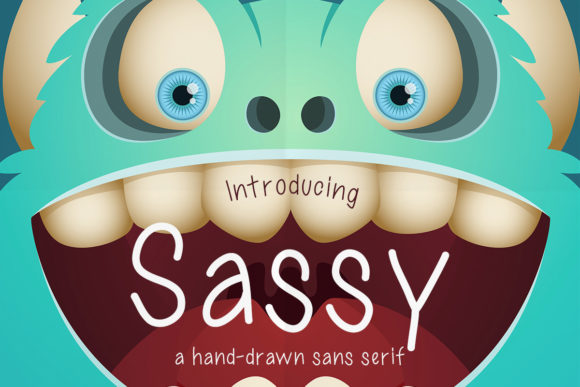
Sassy is a cute handwritten font that successfully bridges the gap between classic calligraphic influences and a fresh, modern aesthetic. Its fluid strokes and charming character give it an approachable, human touch, making it far more engaging than sterile, generic typefaces. This versatility is its core strength, allowing it to adapt seamlessly from a whimsical invitation to a sleek brand headline. In the realm of graphic design, such assets are invaluable for injecting personality and emotional resonance into a visual identity.
Practical Applications Across Design Disciplines
The true test of any creative asset is its real-world utility. A font like Sassy shines in numerous contexts, providing a solution for designers, marketers, and business owners aiming to create a memorable impression.
- Branding and Logo Design: For brands targeting a youthful, creative, or lifestyle-oriented audience, Sassy can form the foundation of a friendly and recognizable logo. It pairs beautifully with clean sans-serifs for a balanced brand identity system.
- Marketing and Social Media: Use it for social media graphics, email headers, or call-to-action buttons to add a personal, handwritten note that cuts through the digital noise. It enhances digital marketing materials by fostering a sense of authenticity.
- Editorial and Web Design: Apply Sassy to pull quotes, subheadings, or featured article titles in editorial design to create visual interest and guide the reader's eye. In web design, it can highlight special offers or testimonial sections, improving user engagement.
- Packaging and Merchandise: From product labels to tote bags, its charming script adds a bespoke, artisanal quality to packaging design and merchandise, enhancing perceived value.
Integrating Typography into Your Design Workflow
Simply choosing a beautiful font is not enough; its effectiveness depends on strategic implementation. To leverage assets like Sassy successfully, consider these principles:
- Prioritize Readability and Scalability: Test any handwritten font at various sizes. While perfect for headings, it may lose legibility in long body text. Ensure it renders clearly across different mediums, from a mobile screen (UI design) to a printed brochure.
- Maintain Visual Hierarchy: Use Sassy strategically to draw attention. Pair it with a neutral, highly readable font for body copy. This contrast creates a clear visual hierarchy, guiding the user through your content logically.
- Ensure Brand Consistency: Document its usage within your brand style guide. Define when and where to use this expressive style to maintain a cohesive professional presentation across all touchpoints, from presentations to advertising.
- Align with Audience Expectations: The playful nature of a handwritten font must resonate with your target demographic. It’s a powerful tool for brands in creative, wellness, or boutique sectors but may need more restrained application in corporate or formal contexts.
Ultimately, the power of a well-chosen creative asset lies in its ability to communicate a feeling instantly. By selecting typography and visual elements that are not only aesthetically pleasing but also strategically sound, you transform design from mere decoration into a powerful tool for connection. Thoughtful choices in your design workflow—from the curve of a letter to the harmony of a color palette