Discovering the Dragonfly Font: A Designer's Guide to Elegant Handwriting
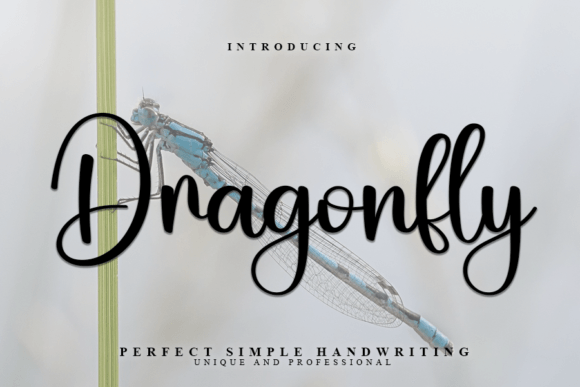
The right typeface can transform a simple message into a memorable experience. Among the many creative assets available, the Dragonfly font stands out as a delicate handwritten typeface, carefully crafted for designs that demand a cool and unique aesthetic. This font isn't just about letters; it's about injecting personality and a human touch into digital and print projects, making it a valuable tool in any designer's typography arsenal.
The Role of Typography in Modern Visual Design
In graphic design, typography is a cornerstone of visual communication. It establishes tone, guides the viewer's eye, and significantly impacts brand identity. A handwritten font like Dragonfly plays a specific and powerful role. It bridges the gap between professional polish and approachable warmth, making it ideal for projects where connection and authenticity are key. When used thoughtfully, it enhances the visual hierarchy, drawing attention to key messages without sacrificing readability.
Practical Applications Across Creative Projects
The versatility of a well-designed script font allows it to shine in numerous contexts. Here’s how you can leverage a typeface like Dragonfly:
- Branding and Logo Design: For brands targeting a creative, artisanal, or youthful audience, Dragonfly can form the basis of a logo or be used for taglines, adding instant character and distinctiveness to the brand identity.
- Marketing and Social Media Graphics: In the fast-paced world of digital marketing, capturing attention is crucial. Use this font for social media quotes, Instagram stories, or promotional banners to create visually engaging content that feels personal and relatable.
- Editorial and Web Design: Apply it strategically for pull quotes, article titles, or UI elements in web design to break the monotony of body text and inject visual interest, improving user engagement and overall UX design.
- Packaging and Print Design: From food product labels to wedding invitations and boutique packaging, Dragonfly adds a handcrafted, premium feel that can elevate the unboxing experience and communicate product quality.
Integrating Creative Assets Effectively
Simply having a beautiful font isn't enough; integration is key. To ensure a font like Dragonfly strengthens rather than distracts, consider these principles of professional presentation:
- Maintain Visual Hierarchy: Use it for headlines or specific call-to-action elements, not for long paragraphs. Pair it with a clean, complementary sans-serif or serif font for body text to ensure clarity and readability.
- Consider the Audience and Context: A handwritten script is perfect for a bakery's menu or a creative portfolio but may not suit a corporate financial report. Always align your typography choices with audience expectations and project goals.
- Check Compatibility and Scalability: Test the font at various sizes to ensure it remains legible. Verify that it supports the necessary character sets and that its style complements your existing color palette and imagery.
- Pursue Consistency: For a cohesive brand identity, use the font consistently across all touchpoints—from your website and social media to print materials and presentations. This builds recognition and reinforces your modern aesthetics.
Thoughtful design choices are what separate good projects from great ones. Investing in high-quality, versatile creative assets like the Dragonfly font empowers you to craft more nuanced and effective visual stories. By understanding its strengths and applying it with intention, you can enhance communication, strengthen brand perception, and create designs that truly resonate with your audience, making every creative project more impactful and professionally polished.